
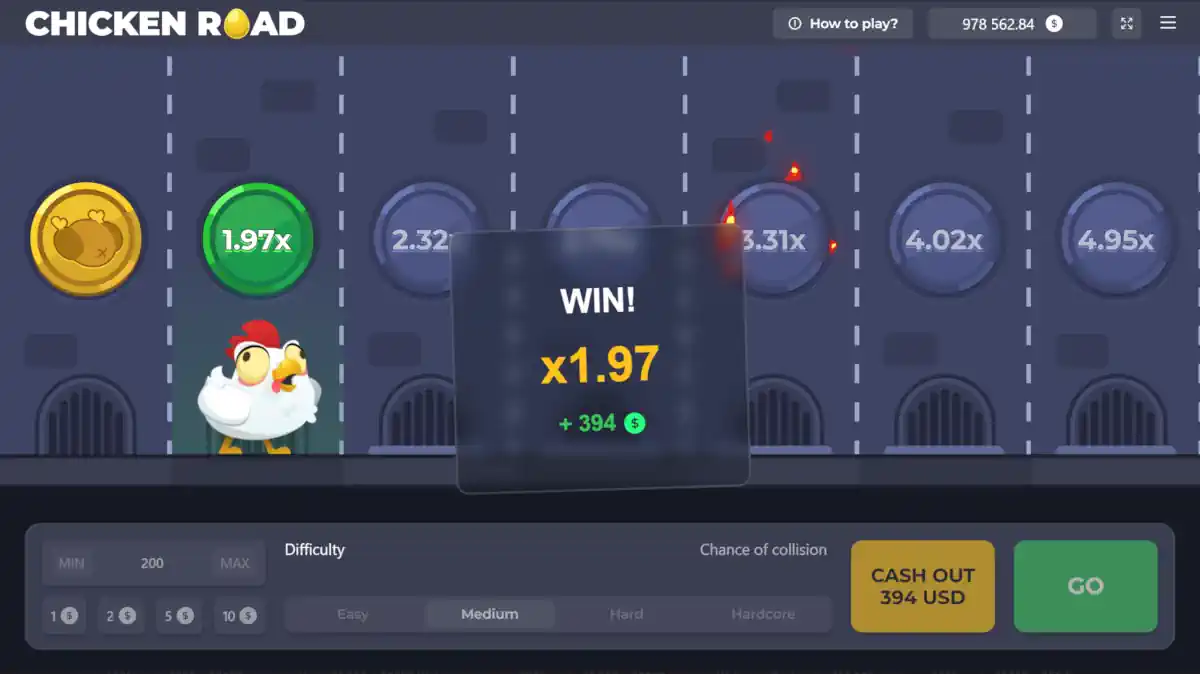
In analyzing “Chicken Road, chickenroadgame, ” gamers face a mix of chance and decision-making that resembles life’s unpredictability. The game’s hurdles serve as reflections of real-world difficulties, urging players to adapt and strategize. Each option taken may reflect with profound life queries about destiny and control. This interplay provokes intriguing queries about how one’s path can be shaped by outside randomness and inner will. What effects do these exchanges have for gamers’ perception of their own fortunes?
The Character of Luck in Chicken Road
While players navigate the variable landscape of Chicken Road, they quickly realize that luck plays an essential role in shaping their experience. Each step along this vibrant course is shaped by random elements, requiring gamers to modify continuously. The fluctuating hurdles, such as oncoming automobiles and changing weather conditions, test gamers’ responses and strategic thinking. This built-in chance not only enhances the thrill but also fosters perseverance as gamers figure out to maneuver variability. Dominating the in-game environment demands sharp perception and intuitive responses, emphasizing the game’s singular relationship with luck. In Chicken Road, randomness becomes a two-edged sword, benefiting those who embrace ambiguity while punishing those who hesitate, creating an compelling balance between destiny and skill.
Decision-Making and Participant Control
In Chicken Road, decision-making is a essential aspect of gameplay that enables gamers to determine their consequences. Participants incessantly face options that straightforwardly affect their journey, rendering strategy fundamental. Important components of effective decision making in the game include:
- Evaluating risks
The Role of Obstacles as Life Challenges
Obstacles in Chicken Road serve as concrete representations of life’s challenges, urging players to steer through complexities reminiscent of real-world experiences. Each hurdle—be it cars, rivers, or other hazards—represents the various barriers individuals face. Just as players must evaluate risks and react promptly, so must they approach obstacles in their personal lives. By facing these challenges, players nurture resilience and adaptability. The game effectively illustrates the importance of strategy and persistence, highlighting that success often requires overcoming adversity. Players learn that while obstacles can obstruct progress, they also provide opportunities for growth and self-discovery. Ultimately, navigating these challenges promotes a deeper understanding of life’s unpredictable nature, imparting a sense of accomplishment through mastery.
Collecting Items: Rewards and Consequences
Collecting items in Chicken Road significantly impacts both gameplay and the player’s journey. Players interact with various items, each carrying distinct rewards and consequences that affect their strategy.
- Power-ups
- Currency
Understanding the consequences of each item https://pitchbook.com/profiles/company/267301-90 type sharpens players’ strategic approaches, eventually enhancing their mastery of the game and boosting the overall experience as they explore the changing challenges of Chicken Road.
The Influence of Randomness on Destiny
Randomness plays a significant role in molding the player experience in Chicken Road, affecting both item acquisition and gameplay outcomes. This unpredictability introduces variance in treasure rewards, promoting engagement as players adjust their strategies to unexpected scenarios. The game’s mechanics often lead to situations where a player’s success hinges on the chance of item drops or opponent actions, nurturing an environment where adaptability becomes crucial. Moreover, randomness can create suspense and excitement, encouraging players to pursue various playstyles to capitalize on potential advantages. Despite its chaotic nature, this element enhances the strategy, prompting players to weigh risk versus reward continually. In mastering Chicken Road, players must not only embrace randomness but utilize it as a tool for strategic improvement, ultimately molding their destinies.
Philosophical Reflections on Fate and Free Will
As players navigate through the playful yet chaotic universe of Chicken Road, they confront an fascinating interplay between fate and free will. This experience prompts reflection on key philosophical questions:
- Determinism versus Agency
Such elements highlight the captivating challenge of traversing destiny within the game’s vibrant context.
Community and Collaboration in Navigating Life’s Path
While traversing the lively terrain of Chicken Road, players quickly discover that their journey is often defined by the connections they build and the collaborative strategies they employ. This game encourages a sense of community, as players learn to rely on each other’s strengths and perspectives to navigate through obstacles. Teamwork becomes crucial; when players pool their resources, they improve their chances of success considerably. Collaborating fosters communication skills, enabling participants to share insights and solutions effectively. Additionally, a united front cultivates trust, which is integral for overcoming challenges. Ultimately, Chicken Road exemplifies the importance of shared experiences, emphasizing that collaboration and community are more than mere game mechanics; they’re metaphors for life’s paths, promoting a greater understanding of interdependence.
Conclusion
To conclude, “Chicken Road” acts as a engaging microcosm of life’s unexpected journey, merging chance with choice. Players are continually confronted with obstacles that reflect real struggles, eliciting deep reflections on their agency and the influence of fate. The interplay between randomness and decision-making emphasizes the essence of resilience, encouraging players to accept adaptability. In the end, the game fosters a sense of community as individuals traverse their paths, making it a reflective exploration of destiny’s intricacies.